Custom scarves stay bright and soft for years when you wash them gently in cool water, dry them flat, keep heat away from the fibers and store them clean and dry. Knitted, woven jacquard and printed scarves each need slightly different handling, and this Customized Scarves guide explains the care routine for every style we make.
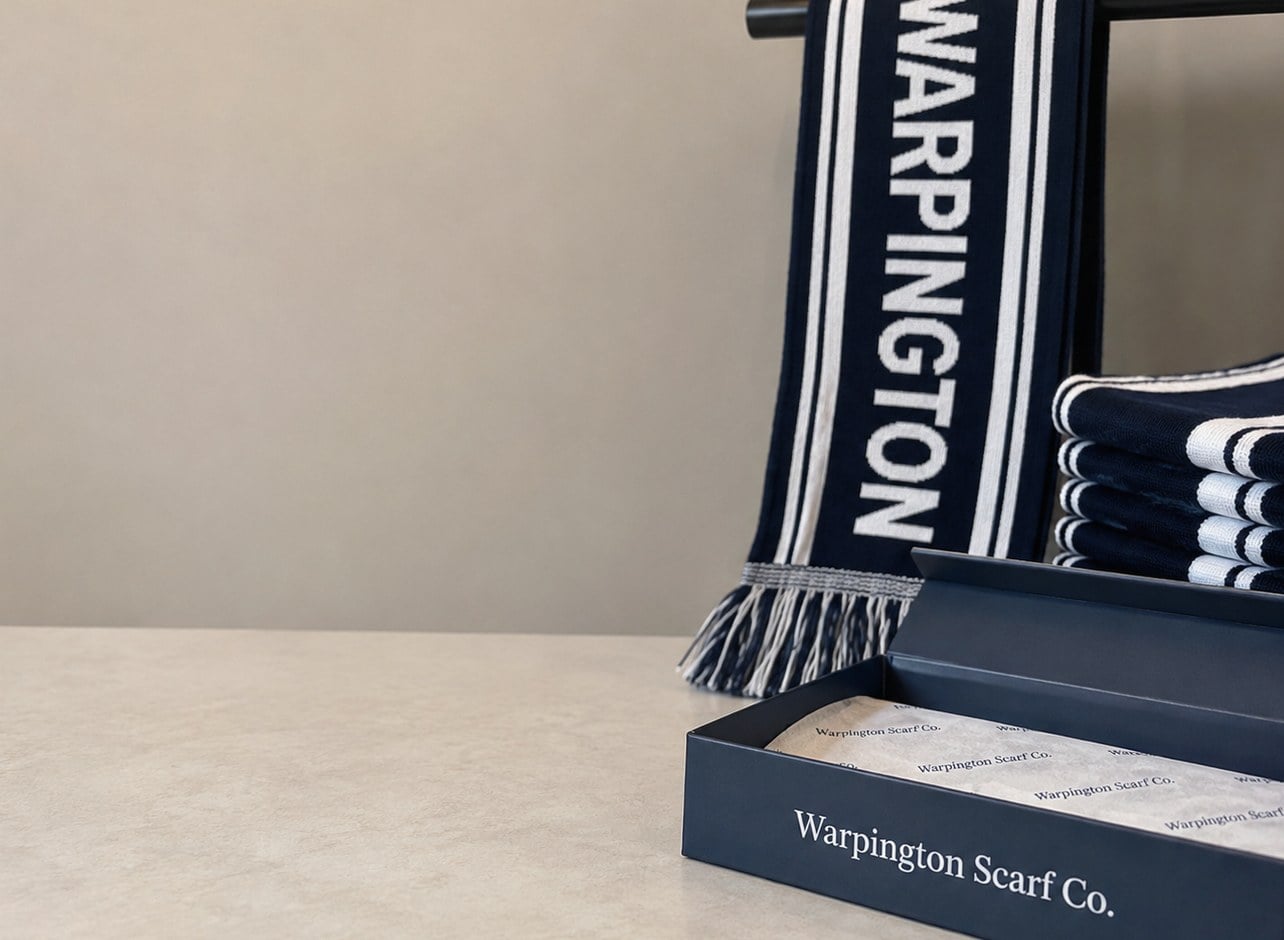
- Cool water, mild detergent and flat drying suit every custom scarf style.
- Knitted and woven jacquard scarves carry the design in the yarn, so the logo cannot peel or crack.
- Printed scarves keep their color longest when washed inside a mesh bag or by hand.
- Store scarves clean, fully dry and folded loosely, away from direct sunlight.
- Customized Scarves returns a free mockup within 24 hours so you can choose the style that fits how the scarves will be used.
How should you wash a custom scarf so the colors last?
The safest way to wash any custom scarf is by hand or on a delicate cycle in cool water with a small amount of mild, bleach-free detergent. Heat, harsh detergent and rough agitation are what shorten the life of a scarf, whether the design is knitted in, woven in or printed on the surface.
Before the first wash, check the care label sewn into the scarf and follow it over any general advice, because the fiber blend decides what the scarf can tolerate. Then turn the scarf so the logo side faces inward, or place it in a mesh laundry bag, which stops tassels and fringe from catching on zips and buttons in the drum.
- Use cool water, never hot.
- Choose a gentle, color-safe detergent with no bleach or optical brighteners.
- Skip fabric softener on knitted scarves, since it can leave the yarn limp.
- Wash scarves with similar colors, especially the first time, so a deep club color never meets a white scarf.
- Squeeze water out gently; never wring or twist the scarf.
Washing less often is part of good care too. Airing a scarf outdoors or on a hanger overnight refreshes it between washes, and spot cleaning handles most small marks without a full wash.
Do knitted, woven jacquard and printed scarves need different care?
Yes. All three custom scarf styles share the same basic rules of cool water and no high heat, but each one reacts differently to stretching, friction and light. The table below summarizes the differences so you can pass the right advice to the people who receive your scarves.
| Scarf style | Where the design lives | Main care risk | Best routine |
|---|---|---|---|
| Knitted | Knitted into the yarn on both sides | Stretching and pilling | Hand wash or delicate cycle, dry flat, never hang wet |
| Woven jacquard | Woven into the fabric structure | Snags on loose threads | Gentle wash in a mesh bag, press on low heat if needed |
| Full-color printed | Printed into the surface of the fabric | Fading from sun and harsh detergent | Hand wash in cool water, dry in shade, store away from light |
Knitted winter knit scarves are the warmest style and the most forgiving with color, because the logo is part of the knit. Their weak point is shape: a heavy, wet knit scarf stretches if it hangs. Woven jacquard scarves are dense and crisp, so the risk is a snagged thread rather than stretching. Full-color printed scarves carry photographic detail on lighter fabrics, so gentle washing and shade protect that detail best.
What is the right way to dry a custom scarf?
Dry every custom scarf flat on a clean towel or drying rack, away from radiators and direct sunlight. Flat drying is the single habit that does the most to keep a scarf the length and shape it arrived in, and it matters most for knitted scarves, which hold a lot of water.
- Press the wet scarf between two towels to lift out excess water without wringing.
- Lay the scarf flat and ease it back to its original length and width with your hands.
- Straighten the tassels or fringe so they dry in neat lines rather than tangles.
- Turn the scarf over once the top side feels dry so both faces dry evenly.
- Wait until the scarf is completely dry, including the thick ends, before folding or storing it.
Avoid the tumble dryer unless the care label clearly allows it. Dryer heat can shrink natural fibers, set creases into printed fabric and roughen the surface of knitted yarn. Hanging a wet knitted scarf over a door or rail lets gravity pull it longer, and that stretch rarely recovers fully.
How do you remove creases, pilling and snags from a scarf?
Most surface problems on a custom scarf can be fixed at home with low heat and patience. Creases from folding, small pills on knitted yarn and the odd pulled thread on a woven scarf are normal signs of use, not faults, and each has a simple remedy.
Creases: Steam is the gentlest option for printed and woven scarves. Hang the scarf in a steamy bathroom or use a handheld steamer held a little away from the fabric. If you iron, use a low setting, press from the reverse side and place a thin cloth between the iron and the scarf. Knitted scarves rarely need pressing; laying them flat usually relaxes any folds.
Pilling: Small bobbles form where knitted scarves rub against coat collars and bag straps. A fabric shaver or sweater comb removes them in a few strokes. Work gently on a flat surface and never pull pills off by hand, which can loosen the surrounding yarn.
Snags: On a woven jacquard scarf, never cut a pulled thread. Ease the fabric on either side of the snag to draw the loop back in, or use a fine needle to push the loop through to the reverse side.
How should clubs, schools and businesses store spare custom scarves?
Store spare custom scarves clean, completely dry and folded loosely in breathable packaging, in a cool, dark place. Organizations that hold stock between seasons, such as fan shops, schools and corporate teams, protect their investment most by controlling three things: moisture, light and pests.
- Moisture: Never box scarves that are even slightly damp. Trapped moisture causes musty smells and marks that are hard to remove.
- Light: Keep boxes out of sunny windows and away from bright display lighting when the scarves are not on sale. Printed scarves are the most sensitive to light.
- Pests: Wool and wool-blend scarves attract moths. Cedar blocks or lavender sachets in the storage box help, and opening the box to air the stock now and then discourages them.
Individual poly bags are useful for shipping and retail display, but for long storage a cotton bag or acid-free tissue in a cardboard box lets the fabric breathe. Fold scarves loosely with tissue between layers rather than tightly, and refold them along different lines each time so permanent creases never form.
Good storage also makes reorders smoother. If your school or club scarves sit unused for a season, they should still look identical to a fresh run from Customized Scarves when you bring them out again.
Which custom scarf style is easiest to care for over many seasons?
For buyers who want the lowest-maintenance custom scarf, knitted and woven jacquard scarves are usually the easiest to keep looking new, because the colors and logo are built into the yarn rather than applied to the surface. Nothing can peel, crack or wash off, and both styles tolerate everyday wear at matches, on campus and on the commute.
Full-color printed scarves suit buyers who need photographic detail, gradients or an all-over pattern. They are lighter and more delicate, so they reward a little more care: gentle washing, shade drying and dark storage. Treated well, a printed scarf keeps its color through years of occasional wear, which makes printed scarves a strong fit for gifts, retail and uniforms worn indoors.
When you request a quote, tell Customized Scarves how the scarves will be used, whether that is waving in a stadium, standing at a reception desk or sitting in a gift box. That context helps the team recommend the style and fabric that will hold up best, and you will see the result in a free mockup within 24 hours. Standard production takes about 2 weeks, with faster turnaround available through express shipping, and you pay nothing until you approve the design.
What care advice should you share with people who receive your scarves?
A short care note handed out with your custom scarves keeps them looking like your brand long after the event. Recipients rarely read sewn labels, so a simple card or email line with the essentials prevents the most common mistakes, such as hot washes and hanging a wet knit scarf to dry.
A practical care note covers four points:
- Wash by hand or on a gentle cycle in cool water with mild detergent.
- Do not bleach, and do not tumble dry unless the label allows it.
- Dry flat, away from direct heat and sunlight.
- Store clean and dry, folded loosely.
For staff uniforms, add a line on who replaces damaged scarves and how, so employees do not attempt risky fixes on a visibly branded item. For supporter and fan shop scarves, a care note doubles as a quality signal and tells buyers the scarf is made to last. Learn more about how an order runs from mockup to delivery on the how it works page.
Frequently asked questions
Can custom scarves go in a tumble dryer?
Custom scarves should generally stay out of the tumble dryer unless the sewn care label clearly allows it. Dryer heat can shrink natural fibers, roughen knitted yarn and set hard creases into printed fabric. Drying the scarf flat on a towel or rack, away from radiators and strong sun, keeps its original length, shape and color far better, and usually takes only a little longer.
What causes pilling on a knitted scarf and can it be removed?
Pilling on a knitted scarf comes from friction, usually where the scarf rubs against a coat collar, bag strap or seatbelt. The small bobbles are a normal sign of wear rather than a fault. A fabric shaver or sweater comb removes them quickly on a flat surface. Avoid pulling pills off by hand, which can loosen the surrounding yarn and make the area look thinner.
Is it safe to iron a printed custom scarf?
A printed custom scarf can be ironed carefully on a low heat setting, pressing from the reverse side with a thin cloth between the iron and the fabric. Steaming is gentler still, either with a handheld steamer or by hanging the scarf in a steamy bathroom. Customized Scarves recommends checking the sewn care label first, since the right heat depends on the fabric.
Should custom scarves be dry cleaned instead of washed at home?
Most custom scarves do not need dry cleaning, because gentle hand washing in cool water with mild detergent suits knitted, woven and printed styles. Dry cleaning makes sense when the care label recommends it, for a delicate fabric, or for a scarf with a stubborn stain you do not want to treat yourself. Always follow the label over general advice.
How do you remove mud or a drink stain from a supporter scarf?
A muddy or drink-stained supporter scarf is best treated quickly. Let mud dry, then brush off as much as possible before dabbing the mark with cool water and a little mild detergent. For drink spills, blot rather than rub, working from the outside of the stain inward. Rinse in cool water, then dry the scarf flat. Hot water can set many stains permanently.
Can a snagged thread on a woven jacquard scarf be repaired?
A snagged thread on a woven jacquard scarf can usually be repaired at home, and it should never be cut. Gently stretch the fabric on either side of the snag to draw the loop back into the weave. If a loop remains, push it through to the reverse side with a fine needle. Customized Scarves weaves the design into the fabric, so the logo stays intact.
Do moths damage wool scarves kept in storage?
Wool and wool-blend scarves can attract clothes moths during long storage, especially if they are put away with traces of skin oils or food. Wash or air scarves before storing them, keep them in breathable cotton bags or boxes, and add cedar blocks or lavender sachets. Opening the stock to air it now and then also discourages moths from settling.
Are plastic bags a good way to store scarves long term?
Plastic bags are fine for shipping scarves and displaying them in a shop, but they are not ideal for long-term storage. Sealed plastic can trap moisture and leave fabric smelling musty. For a season or more, Customized Scarves suggests folding scarves loosely with acid-free tissue in a cardboard box or cotton bag, kept somewhere cool, dry and dark.
How do you keep scarf tassels and fringe from tangling?
Scarf tassels and fringe stay neat when the scarf is washed inside a mesh laundry bag or by hand, which stops strands catching and knotting. While the scarf dries flat, comb the tassels straight with your fingers so they set in clean lines. If fringe becomes tangled, work through it gently with a wide-toothed comb while it is slightly damp.
Can a custom scarf be framed or displayed on a wall?
A custom scarf can be framed or hung as a display piece, which is popular for anniversary, championship and commemorative designs. Keep a displayed scarf out of direct sunlight, since light fades fabric over time, especially printed styles. Customized Scarves can also produce extra scarves in the same run, so one stays on display while others are worn.
Why does a knitted scarf get longer after washing?
A knitted scarf usually gets longer after washing because it was hung up while wet. Knitted yarn holds a lot of water, and the extra weight pulls the stitches downward as it dries. Prevent stretching by pressing out water between towels, laying the scarf flat and easing it back to its original shape before it dries completely.
How often should a custom scarf be washed?
A custom scarf only needs washing when it is visibly dirty or starts to smell, not after every wear. Airing it outdoors or on a hanger overnight refreshes it between washes, and spot cleaning handles most small marks. Washing less often protects the fibers and colors, so knitted, woven and printed scarves all keep their look for more seasons.
Get a free mockup for your scarves
Send your logo or idea and the quantity you have in mind. Customized Scarves returns a free mockup within 24 hours, you approve the design before anything is produced, and standard turnaround is about two weeks with faster options available. Get a custom quote.